
Table of Contents
Discover the key Benefits of Puzzles in early childhood development. Learn how puzzles improve cognitive skills, motor development, and problem-solving with research-based insights.
Introduction
Early childhood is a crucial stage for brain development, where children begin to explore, learn, and understand the world around them. During this phase, simple activities can have a lasting impact on cognitive, emotional, and physical growth. One such activity is puzzle play.
The Benefits of Puzzles go far beyond entertainment. Puzzles help children develop problem-solving abilities, improve memory, and strengthen fine motor skills. They also encourage patience, focus, and independent learning.
This article explores the importance of puzzles in early childhood development, supported by research and educational insights.
Now that we understand their value, let’s begin with what puzzles are and how they support learning.
What Are Puzzles in Early Childhood Learning?
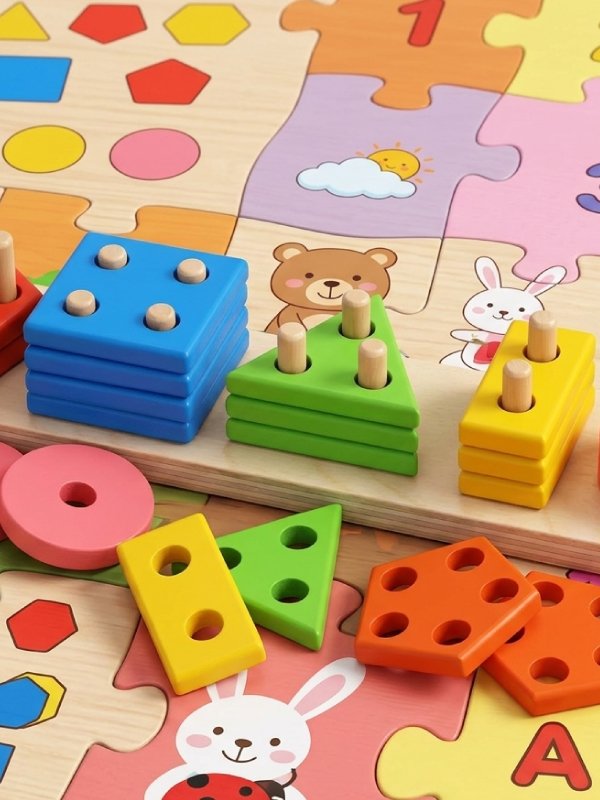
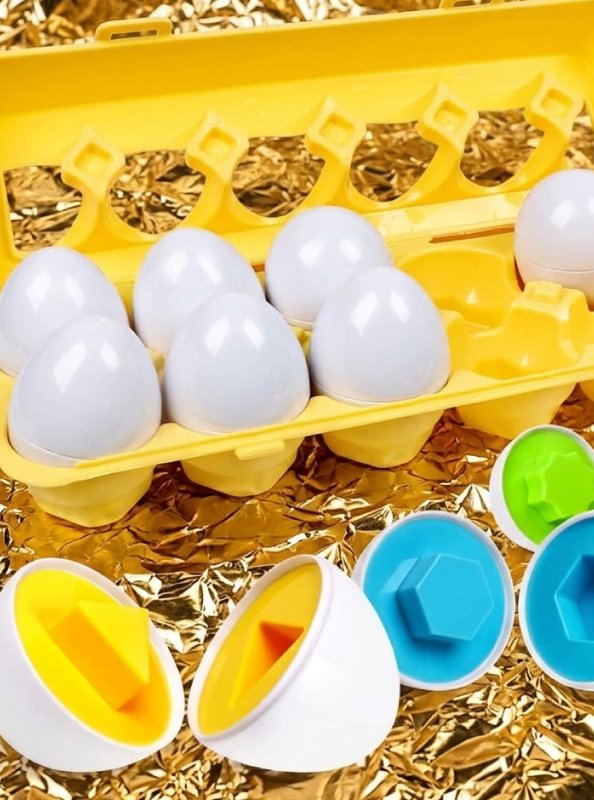
Puzzles are educational tools designed to challenge children to think, match, and solve problems. They come in many forms, including jigsaw puzzles, shape sorters, and matching games.
Visual problem-solving tools
Puzzles require children to analyze shapes, patterns, and images.
Hands-on learning activity
They involve physical interaction, helping children learn through touch and movement.
Age-appropriate designs
Puzzles are available for different age groups, from simple shapes to complex designs.
Engaging and interactive
Bright colors and fun themes keep children interested.
Understanding what puzzles are helps us see how they contribute to development.
Cognitive Development Benefits of Puzzles
Benefits of Puzzles play a major role in improving cognitive abilities in young children.
Enhances problem-solving skills
Children learn to think critically and find solutions.
Improves memory retention
Remembering shapes and positions strengthens memory.
Develops logical thinking
Puzzles teach children to analyze and plan.
Encourages pattern recognition
Recognizing patterns supports early math and reading skills.
Supports brain development
Research shows that hands-on activities stimulate neural connections.
As a result, puzzles become an essential part of early education.
Motor Skills Development
In addition to cognitive growth, puzzles support physical development.
Improves fine motor skills
Picking up and placing pieces strengthens finger control.
Enhances hand-eye coordination
Children learn to match what they see with their actions.
Builds hand strength
Repeated movements improve muscle development.
Encourages precise movements
Placing pieces correctly requires accuracy and control.
These physical benefits are essential for writing and daily tasks later in life.
Emotional and Social Development
Puzzles also contribute to emotional growth and social skills.
Builds patience
Children learn to complete tasks step by step.
Boosts confidence
Successfully finishing a puzzle gives a sense of achievement.
Encourages persistence
Children learn not to give up easily.
Promotes teamwork
Group puzzle activities teach sharing and cooperation.
Reduces stress
Calm and focused play can help children relax.
These emotional benefits make puzzles a well-rounded learning tool.
Language and Communication Skills
Puzzles can also support early language development.
Expands vocabulary
Talking about puzzle images introduces new words.
Encourages conversation
Parents and children interact during play.
Improves listening skills
Children follow instructions and guidance.
Supports storytelling
Kids create stories based on puzzle images.
These skills are important for communication and early literacy.
Types of Puzzles for Different Age Groups
Choosing the right puzzle is important for effective learning.
Simple shape puzzles
Best for toddlers learning basic shapes and colors.
Peg puzzles
Easy to hold and suitable for younger children.
Jigsaw puzzles
Ideal for preschoolers developing problem-solving skills.
Alphabet and number puzzles
Help with early literacy and math skills.
Advanced puzzles
Suitable for older children to improve critical thinking.
Each type supports different aspects of development.
Research-Based Benefits of Puzzles
Scientific research highlights the Benefits of Puzzle play in early childhood.
Supports brain development
Studies show that interactive play strengthens neural pathways.
Improves spatial skills
Research links puzzle play with better spatial reasoning abilities.
Enhances academic performance
Early problem-solving skills contribute to success in school.
Encourages independent learning
Children develop self-learning habits through puzzles.
Promotes long-term cognitive growth
Consistent puzzle play improves thinking skills over time.
These findings confirm the educational value of puzzles.
Specification Table
| Feature | Details |
|---|---|
| Activity Type | Puzzle-based learning |
| Age Range | 1 to 6 Years |
| Skill Development | Cognitive, motor, emotional |
| Learning Style | Hands-on, interactive |
| Materials | Wood, cardboard, plastic |
| Difficulty Levels | Beginner to advanced |
| Educational Focus | Problem-solving, memory, coordination |
| Usage | Home, preschool, classroom |
| Supervision | Recommended for younger children |
| Portability | Easy to carry and store |
This table summarizes the key aspects of puzzle-based learning.
How to Use Puzzles Effectively
To maximize the Benefits of Puzzles, proper usage is important.
Start with simple puzzles
Begin with easy levels and gradually increase difficulty.
Encourage independent play
Allow children to explore and solve on their own.
Provide guidance when needed
Offer help without taking over the task.
Create a routine
Regular puzzle time improves learning consistency.
Make it fun
Turn puzzle-solving into a game to keep children engaged.
These methods help children gain the most from puzzle activities.
Tips for Parents and Teachers
Supporting children during puzzle play can improve results.
Choose age-appropriate puzzles
Ensure the puzzle matches the child’s skill level.
Be patient
Allow children to learn at their own pace.
Encourage effort
Praise attempts, not just success.
Use puzzles as teaching tools
Integrate puzzles into learning activities.
Keep variety
Introduce different types of puzzles for broader learning.
These tips make puzzle play more effective and enjoyable.
Common Mistakes to Avoid
Avoid these common mistakes when introducing puzzles.
Choosing overly difficult puzzles
This can frustrate children.
Forcing completion
Allow children to take breaks if needed.
Ignoring safety
Ensure puzzle pieces are safe and age-appropriate.
Limiting variety
Using only one type of puzzle reduces learning benefits.
Not engaging with the child
Interaction enhances learning and bonding.
Avoiding these mistakes ensures a positive experience.
Why Puzzles Are Essential in Early Childhood
Puzzles are more than just toys—they are powerful educational tools.
Encourage holistic development
They support cognitive, physical, and emotional growth.
Promote independent learning
Children learn to think and solve problems on their own.
Provide screen-free entertainment
Healthy alternative to digital devices.
Build lifelong skills
Skills learned through puzzles benefit children in the future.
Easy to use anywhere
Suitable for home, school, or travel.
These advantages make puzzles an essential part of early education.
Conclusion
The Benefits of Puzzles in early childhood development are both wide-ranging and impactful. From improving cognitive abilities and motor skills to enhancing emotional and social growth, puzzles provide a complete learning experience.
Research supports their role in brain development, problem-solving, and academic success. By choosing the right puzzles and using them effectively, parents and educators can create a strong foundation for a child’s future learning.
Incorporating puzzles into daily routines is a simple yet powerful way to support early development while keeping children engaged, curious, and happy.
Check out more here.
As an Amazon Associate, I earn from qualifying purchases.