
Table of Contents
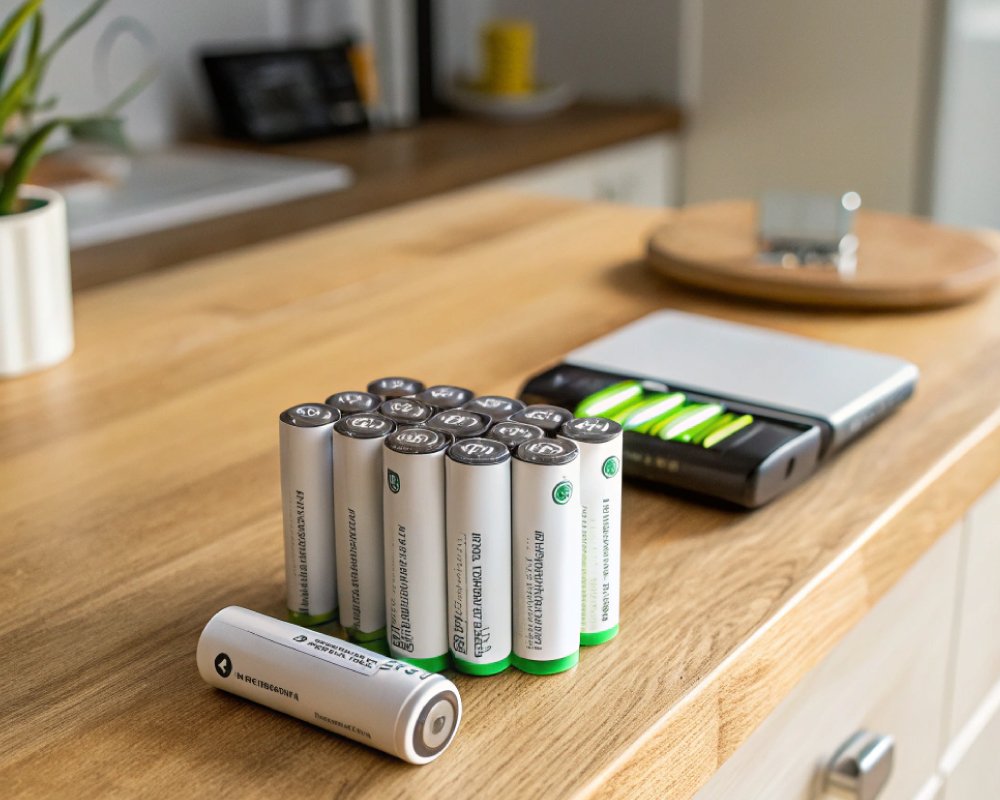
Discover the top rechargeable batteries that save money and energy. Enjoy long-lasting power, eco-friendly performance, and reliable use in hundreds of household devices with Eneloop Panasonic AA Ni-MH rechargeable batteries.
Introduction
In today’s fast-paced world, having reliable and long-lasting batteries is essential for everyday devices. From remote controls and flashlights to toys and digital cameras, the need for consistent power is everywhere. Rechargeable batteries offer a sustainable and cost-effective solution, providing repeated use while reducing waste and saving money over time.
This guide explores the benefits, features, and uses of rechargeable batteries, helping you make an informed choice for your home or office.
What Are Rechargeable Batteries?
Rechargeable batteries are energy storage devices that can be reused multiple times. Unlike single-use batteries, they can be recharged and used repeatedly, making them environmentally friendly and economical.
Types of Rechargeable Batteries
- Ni-MH (Nickel-Metal Hydride): Common for household electronics and high-drain devices.
- Ni-Cd (Nickel-Cadmium): Durable but less common today due to environmental concerns.
- Li-ion (Lithium-Ion): Lightweight, high-capacity batteries for modern devices.
Key Benefits
- Cost savings over single-use batteries
- Reduced environmental impact
- Long-lasting and reliable performance
Understanding these benefits helps you see why rechargeable batteries are a smart choice for modern living.
Benefits of Using Rechargeable Batteries
Using rechargeable batteries offers multiple advantages over disposable alternatives.
Long-lasting power
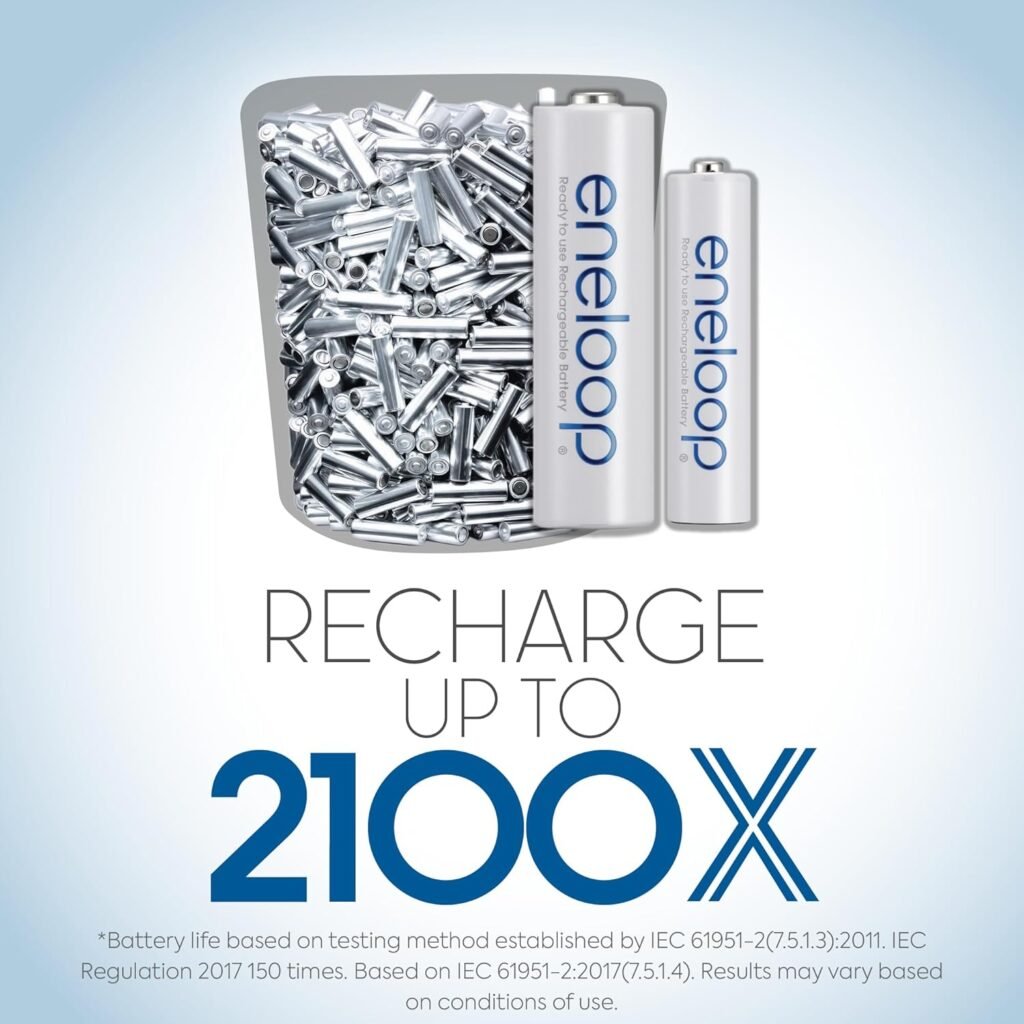
Rechargeable batteries like the Eneloop AA can be recharged up to 2,100 times, ensuring years of consistent performance.
Eco-friendly
Reduce battery waste in landfills and minimize environmental harm.
Cost-effective
Although initial investment is higher, reusable batteries save money over time.
Ready to use
Pre-charged models come ready to use out of the box, with some retaining up to 70% charge even after 10 years of storage.
Wide compatibility
Rechargeable batteries power hundreds of household devices, from remote controls and flashlights to toys and digital cameras.
These benefits make rechargeable batteries a practical and sustainable choice.
Key Features to Look For
When selecting rechargeable batteries, certain features ensure the best performance.
Capacity (mAh)
Higher milliamp-hour (mAh) ratings provide longer-lasting power per charge.
Recharge cycles
The number of times a battery can be recharged (e.g., Eneloop up to 2,100 cycles).
Pre-charged and ready to use
Convenient for immediate use without waiting for charging.
Temperature tolerance
Some batteries, like Eneloop, operate reliably in extreme temperatures, down to -4°F.
Packaging and safety
Secure packaging protects batteries during storage and shipping.
Prioritizing these features ensures long-term reliability and efficiency.
How Rechargeable Batteries Work
Rechargeable batteries store electrical energy through chemical reactions, which can be reversed during recharging.
Step 1: Discharge
The battery releases stored energy to power a device.
Step 2: Recharge
Connect the battery to a charger, which reverses the chemical reaction to restore energy.
Step 3: Repeat
The battery can be used repeatedly until it reaches its maximum recharge cycle limit.
This cycle allows hundreds or even thousands of uses, reducing the need for disposable alternatives.
Advantages for Households and Offices
Rechargeable batteries provide convenience for various settings.
Household devices
Power remote controls, toys, flashlights, and cameras efficiently.
Office equipment
Ideal for wireless keyboards, computer mice, and other electronics.
Travel and outdoor use
Battery packs are portable and can be recharged, perfect for camping or road trips.
Emergency preparedness
Reliable backup power for flashlights and radios during power outages.
These advantages make rechargeable batteries an essential tool for everyday life.
Practical Uses and Applications
Rechargeable batteries are versatile and support numerous devices.
Toys and games
Power RC cars, handheld games, and educational toys.
Home electronics
Remote controls, wireless mice, keyboards, and digital cameras.
Flashlights and emergency lights
Keep your home prepared for power outages or outdoor adventures.
Office devices
Printers, wireless accessories, and small gadgets benefit from rechargeable energy.
Gifts and eco-friendly alternatives
Rechargeable batteries make thoughtful gifts while promoting sustainability.
By covering a wide range of applications, rechargeable batteries prove to be cost-effective and practical.
Specification Table
| Feature | Details |
|---|---|
| Brand | Eneloop Panasonic |
| Model Number | BK-3MCCA10FA |
| Battery Type | Ni-MH, AA |
| Recharge Cycles | Up to 2,100 |
| Pre-charged | Yes, solar-powered factory charge |
| Capacity | 2100 mAh typical, 2000 mAh minimum |
| Operating Temperature | Down to -4°F |
| Included Components | 10 AA rechargeable batteries |
| Best Sellers Rank | #80 in AA Batteries |
| Weight | 0.29 kg |
| Dimensions | 1.99 x 0.57 x 1.99 inches |
Tips for Choosing the Right Rechargeable Batteries
Selecting the right rechargeable battery ensures maximum efficiency and longevity.
Match battery type to device
Check if your device requires Ni-MH, Li-ion, or other types.
Consider capacity
Higher mAh provides longer runtime for high-drain devices.
Check recharge cycles
Choose batteries with higher cycles for long-term savings.
Pre-charged vs. uncharged
Pre-charged batteries offer convenience, ready to use immediately.
Read reviews
Learn about real-world performance, reliability, and longevity from users.
These tips help you get the best value and performance from your batteries.
Common Mistakes to Avoid
Avoid these errors when using or buying rechargeable batteries:
Mixing battery types
Never mix old and new batteries or different chemistries.
Overcharging
Use chargers with automatic cut-off to prevent damage.
Ignoring device compatibility
Check voltage and size requirements to avoid malfunction.
Storing improperly
Keep batteries in a cool, dry place to preserve performance.
Neglecting maintenance
Clean battery contacts periodically to ensure reliable operation.
Avoiding these mistakes prolongs battery life and maintains safety.
Maintenance and Care
Proper maintenance ensures your rechargeable batteries last longer and perform consistently.
Store in cool, dry conditions
Prevents damage and preserves charge.
Use the correct charger
Prevents overcharging and overheating.
Regularly cycle batteries
Occasional full discharge and recharge keeps performance optimal.
Keep contacts clean
Wipe with a dry cloth to prevent corrosion.
Avoid physical damage
Do not puncture, crush, or expose batteries to water.
Good maintenance practices maximize battery efficiency and longevity.
Conclusion
Rechargeable batteries are a practical, cost-effective, and environmentally friendly solution for powering hundreds of devices. From household gadgets to office electronics and outdoor gear, batteries like the Eneloop Panasonic AA Ni-MH provide reliable, long-lasting power.
Investing in high-quality rechargeable batteries saves money, reduces waste, and ensures convenience in everyday life. With proper use and care, these batteries can serve as a dependable source of energy for years, making them a smart addition to every home and workplace.
Check out more of our posts here.
As an Amazon Associate, I earn from qualifying purchases.